
The Cameras Watching Ellijay: License-Plate Readers Are Already Rolling in Gilmer County as Cities Nationwide Pull the Plug
Three Gilmer County law-enforcement agencies have been running Flock automated license-plate cameras since late 2025 — just as dozens of U.S. cities cancel the same technology over privacy fears. Here's what's being collected on every driver in Ellijay, and who can see it.

Every vehicle that drives through Ellijay is now being photographed. Since late 2025, the Gilmer County Sheriff's Office has installed and operated Flock automated license-plate-reader cameras, and both the Ellijay Police Department and the East Ellijay Police Department are using the same tools, according to local media outlets. The cameras log where and when your car passes and feed that record into a searchable national database — a capability arriving in Gilmer County at the exact moment police departments across the country are backing away from it over civil-liberties concerns.
The timing matters for local drivers. This month the Los Angeles Police Department — one of Flock's largest government customers — let its contract expire, citing "serious concerns" about privacy and the data being collected. Other cities have deactivated or refused the cameras. That national reckoning puts a direct question in front of Gilmer County residents: who is collecting your movements here, who can search that data, and what rules govern it?
What Flock cameras actually do
Flock Safety is an Atlanta-based company. Its solar-powered cameras are mounted along roads and photograph passing vehicles — capturing the license plate plus details like color, make, and distinguishing features. That information is uploaded to a cloud network that participating law-enforcement agencies can search.
The system doesn't just log local traffic for local police. Flock operates a network of tens of thousands of cameras nationwide, and agencies on the network can query data captured by other departments. In practice, a plate photographed in Ellijay can become part of a searchable record that reaches far beyond Gilmer County.
Law enforcement describes the tool as a fast way to match vehicles to crimes — stolen cars, hit-and-runs, missing-person cases, and violent offenses. Supporters say a camera that flags a wanted vehicle in seconds is a real advantage for a rural county with long roads and limited patrol coverage.
Why some residents are uneasy
The core objection is scale. These cameras don't only record suspects — they record everyone. A neighbor's daily commute, trips to church, visits to a clinic, and late-night drives are all photographed and time-stamped whether or not the driver has done anything wrong.
Privacy advocates argue that a permanent, searchable log of ordinary people's movements amounts to mass surveillance. Nationally, reporting has also documented real-world failures: drivers wrongly flagged by license-plate errors and pulled over — in some cases at gunpoint — over false matches, along with security lapses that exposed camera feeds and login data.
A national pullback — happening right now
Gilmer County's three agencies are adopting Flock just as the tide turns elsewhere. According to national reporting, the picture this year looks like this:
Much of the recent alarm centers on who else can reach the data. National reporting has described local plate information being accessed by federal agencies — including immigration enforcement — in ways cities said they never approved. Several communities that cancelled cited exactly that: they lost confidence in controlling where their residents' data ended up.
The local questions still unanswered
What's confirmed is that the cameras are here and in use by the Sheriff's Office, Ellijay police, and East Ellijay police. What isn't yet publicly clear are the local safeguards — the questions Gilmer County drivers have the most reason to ask.
• How long is captured plate data stored before it's deleted?
• Which outside agencies — state or federal — can search data captured in Gilmer County?
• Is access limited to specific investigations, and who audits searches?
• Were the contracts reviewed in a public meeting, and what do they cost?
These are not hypothetical concerns. The cities stepping back nationally generally did so not because the cameras stopped catching criminals, but because they couldn't answer those retention, access, and oversight questions to residents' satisfaction. Gilmer County residents are entitled to the same answers about the network already running on their roads.
Residents who want specifics on how the cameras are used can direct questions to the Gilmer County Sheriff's Office and to the Ellijay Police Department.
The bottom line
Automated plate readers are a genuine crime-fighting tool and a genuine privacy tradeoff at the same time — that's precisely why they've become so contested. For now, if you drive in Ellijay or East Ellijay, your vehicle is being recorded, and that record can be searched. Whether the local rules around it are strong enough is a conversation Gilmer County is only beginning to have.
For more coverage that affects your family and your rights, visit Ellijay Georgia Community Website, and follow us on Facebook, Instagram, and X for updates. Have a view on the cameras — or a question you want us to put to officials? Join the conversation in our Community Forum. You can also read more crime and safety and local government stories from around Gilmer County.
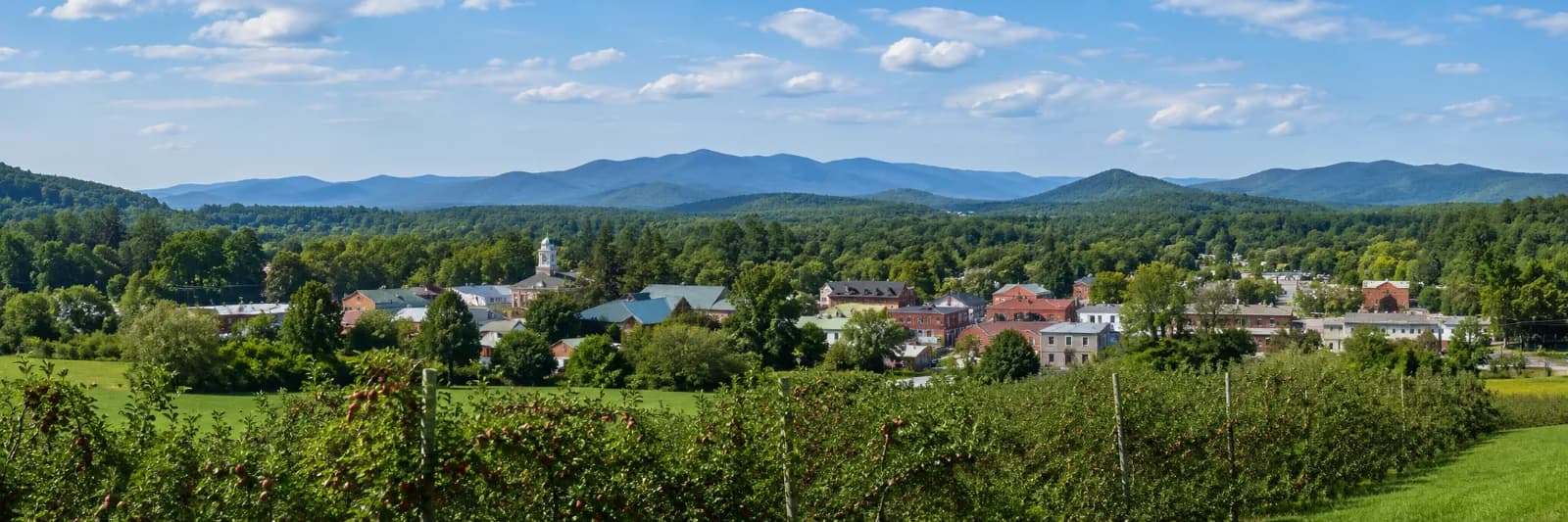
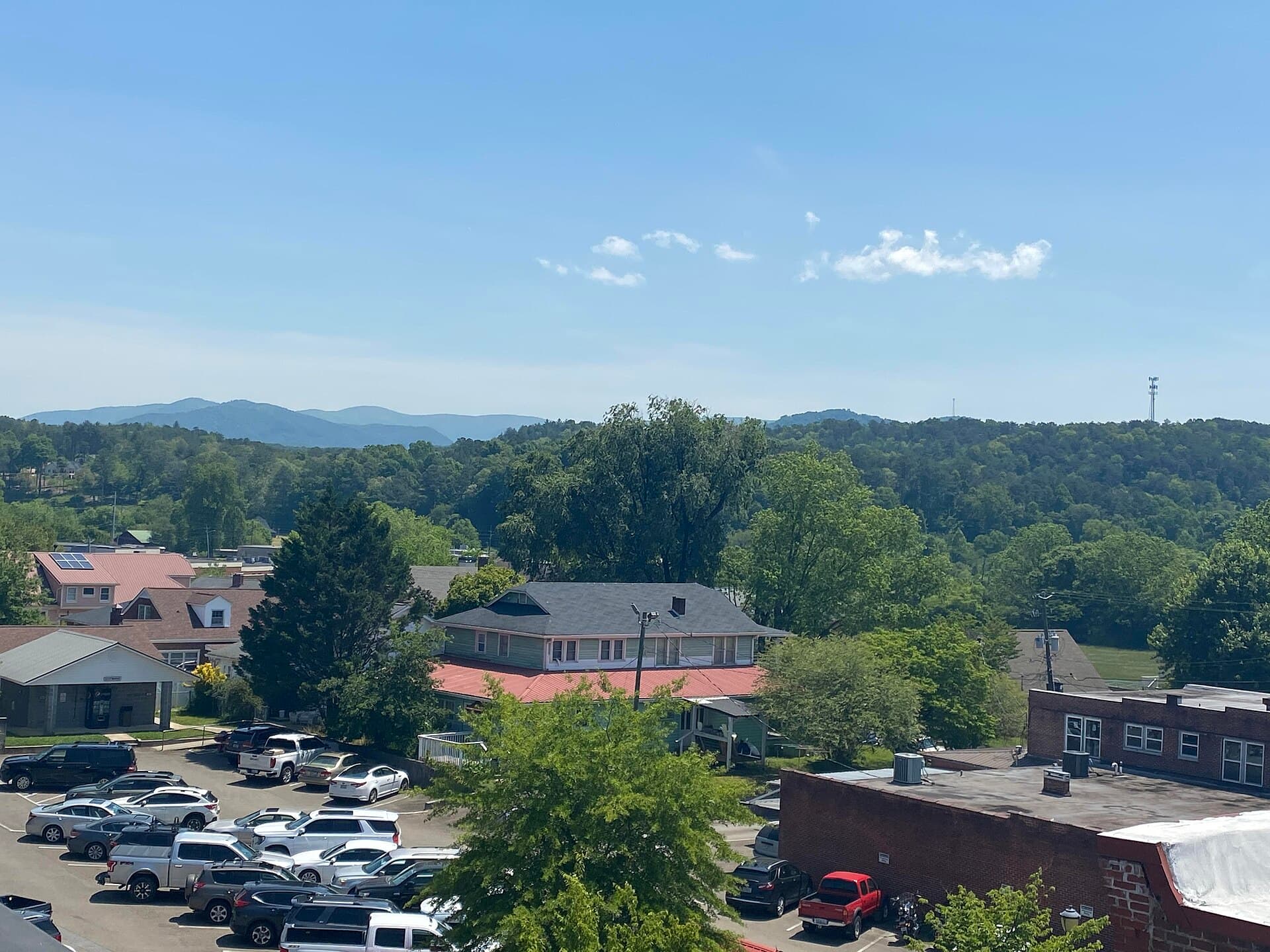
Header photo: Thomsonmg2000 / Wikimedia Commons (CC0)
Continue this story for free.
Stay informed about Ellijay Georgia. Enter your email to access the full story and receive local news and community updates.
Free to read · No password to remember
New here? We’ll email you a sign-in link and code. Already a reader? Use your usual email.
Read next
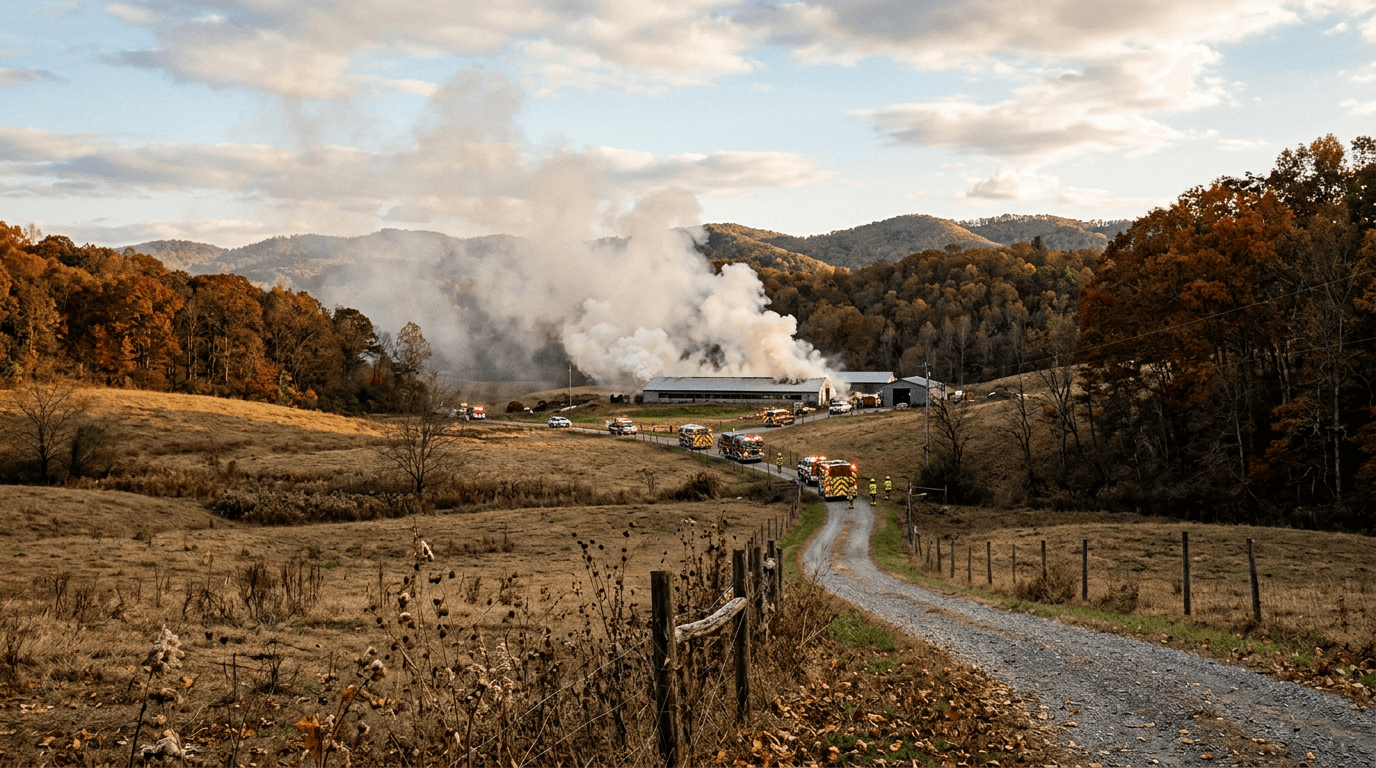
Poultry House Fire Destroys 500-Foot Structure on Pleasant Gap Circle
Emergency crews battled a fully engulfed commercial poultry house Monday afternoon at 355 Pleasant Gap Circle, working to keep flames from reaching neighboring chicken houses and propane tanks. The cause and any injuries remain undisclosed.
Read the story ↗
Comments
Your draft stays here while you sign in. Be respectful and keep it local.
No comments yet.