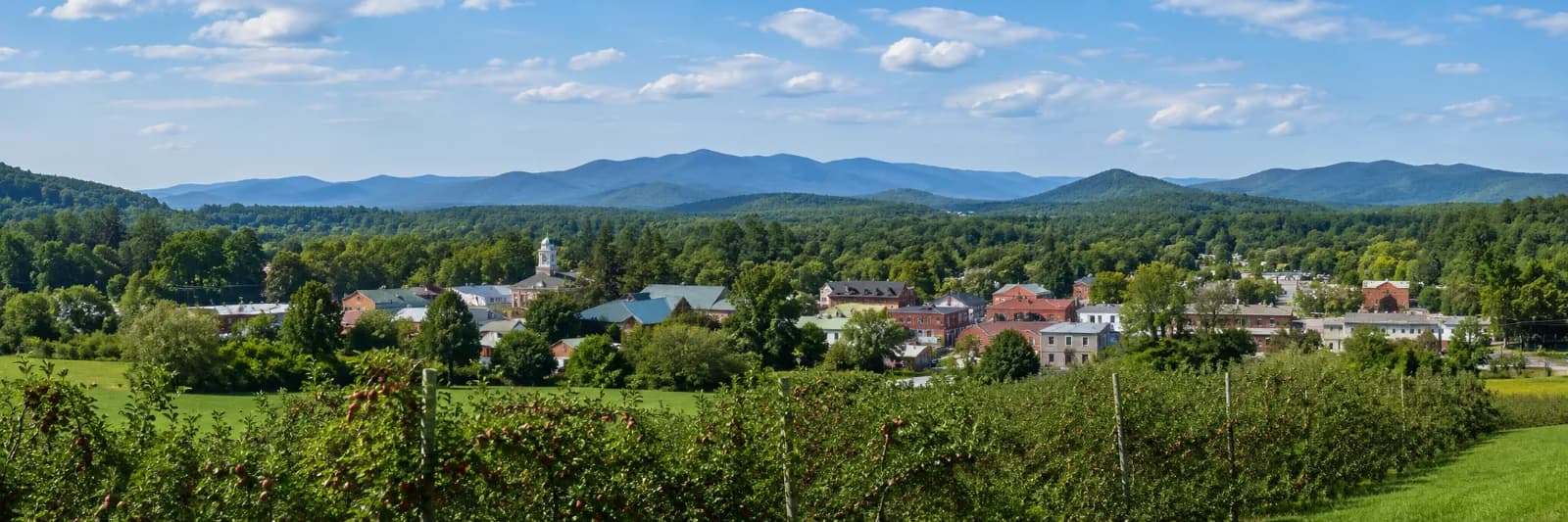

When Bears Come to the Square: How Ellijay's Trash Is Feeding a Downtown Problem
Black bears are increasingly drawn into downtown Ellijay by grease and garbage in unsecured cans — and wildlife experts say how you store trash is what decides whether they keep coming back.

Black bears are showing up in downtown Ellijay, pulled off the wooded ridges and toward the Square by the smell of grease and garbage left in unsecured trash cans, according to local media reports. For the families, restaurants, and visitors packed onto the Square this summer, that turns an occasional wildlife thrill into a genuine safety and nuisance problem — and wildlife experts say the single biggest factor in whether the bears keep coming back is how the town stores its trash between trips to the dump.
The concern, as reported locally, is straightforward: downtown is largely unprepared for bears. It lacks the bear-resistant containers and disciplined waste practices that other North Georgia Blue Ridge communities have adopted to cut down on conflicts. A bin of restaurant scraps or a bag of household trash sitting out overnight is, to a hungry bear, an easy and reliable meal.
Why a full trash can is the whole problem
Gilmer County sits in the heart of Georgia's bear country. Along with Dawson, Lumpkin, Rabun, Union, White and Murray counties, it's one of the state's most active bear areas, and warm months send bears ranging widely in search of food.
The Georgia Department of Natural Resources' Wildlife Resources Division is blunt about what happens next. According to state wildlife biologists, human garbage is "irresistible" to a black bear, and once a bear repeatedly finds an easy meal, it stops behaving like a wild animal — it lingers, gets bolder, and returns again and again.
Once a bear learns that a downtown block means a free dinner, it rarely unlearns it — and the behavior only gets worse with time.
That's the part locals should sit with. The state's guidance notes that bears drawn to human food change their normal movement patterns and start "hanging out" near people, and that the habit "progressively gets worse with time and experience." A bear that raids a can once is a curiosity. A bear that has learned the Square feeds it is a recurring safety risk to the same crowds — kids, diners, dog walkers — who make downtown what it is.
What families and businesses can actually do
The good news, according to state wildlife officials, is that avoiding bear problems is usually simple even if it isn't always convenient. Their "BearWise" program boils it down to securing food, garbage, and recycling so your property is unattractive to bears in the first place.
- Store garbage indoors — in a garage, shed, or secured building — until the morning you haul it, not the night before.
- Don't let bags pile up outside. Grease, food scraps, and even "empty" containers carry a scent bears can find.
- Use bear-resistant cans or latch mechanisms where bins must stay outdoors.
- Rinse recyclables so cans and containers don't smell like food.
- Never feed a bear — intentionally or by accident. A fed bear becomes a problem bear.
For restaurants and shops on and around the Square, the same logic scales up: unsecured dumpsters and grease containers are the biggest draw of all, and bear-resistant bins or reinforced latching lids are what stop the cycle.
Where Gilmer County trash actually goes
How trash gets stored between pickups matters because the county doesn't run curbside collection the way a big city does — residents haul household garbage to convenience centers and the landfill. The county's solid-waste system charges by the bag, which means trash often waits at home or behind a business until someone makes the trip.
That waiting period is exactly the window when unsecured trash becomes bear bait. Here's where you can take it:
| Center | Days & hours |
|---|---|
| Tower Road (456 Tower Rd, Ellijay) — household garbage & recycling | Mon–Sat 8a–4:30p; Sun 1p–6p |
| Cartecay (4154 Hwy 52 E) | Mon–Sat 8a–5:30p |
| Coosawattee (1738 Hwy 382 W) | Mon–Sat 8a–5:30p |
Several smaller centers — Tails Creek, Whitepath, Whitestone, and Yukon — also accept household garbage on limited days. Recycling is free and accepted at compactors at the Cartecay, Coosawattee, and Tower Road sites, though no glass is taken. Convenience centers accept exact change only. For the full list of locations, accepted items, and hours, see the county's Solid Waste & Recycling page or call its info line at 706-635-7696.
Note: The quickest way to reduce a bear's interest in your property is to shrink the gap between when trash goes out and when it leaves. Hold bags inside until you're ready to make the run — don't stage them outside for days.
The bigger picture
None of this means bears are the enemy. The black bear is Georgia's only bear and a genuine conservation success story — a population that crashed to near-elimination in the 1930s and has since recovered to an estimated 4,100 animals statewide. Keeping them wild, biologists stress, is the whole point: a bear that never learns to associate downtown with dinner stays a healthy wild bear instead of a nuisance that eventually has to be dealt with.
For Ellijay, the ask is modest but real. As the summer crowds fill the Square, the difference between a memorable mountain-town moment and a public-safety headache may come down to something as ordinary as when the trash goes out — and what it's stored in.
For more information on living responsibly with bears, the state points residents to Georgia DNR's bear resources.
Stay with Ellijay Georgia Community Website for updates on this and other local safety news, and read more crime and safety and community stories. Seen a bear near the Square this summer? Join the conversation in our Community Forum and follow us on Facebook, Instagram, and X to keep up with your neighbors.
Header photo: Tamparitus / Wikimedia Commons (CC BY-SA 4.0)

Continue this story for free.
Stay informed about Ellijay Georgia. Enter your email to access the full story and receive local news and community updates.
Free to read · No password to remember
New here? We’ll email you a sign-in link and code. Already a reader? Use your usual email.
Read next
Poultry House Fire Destroys 500-Foot Structure on Pleasant Gap Circle
Emergency crews battled a fully engulfed commercial poultry house Monday afternoon at 355 Pleasant Gap Circle, working to keep flames from reaching neighboring chicken houses and propane tanks. The cause and any injuries remain undisclosed.
Read the story ↗

Comments
Your draft stays here while you sign in. Be respectful and keep it local.
No comments yet.